


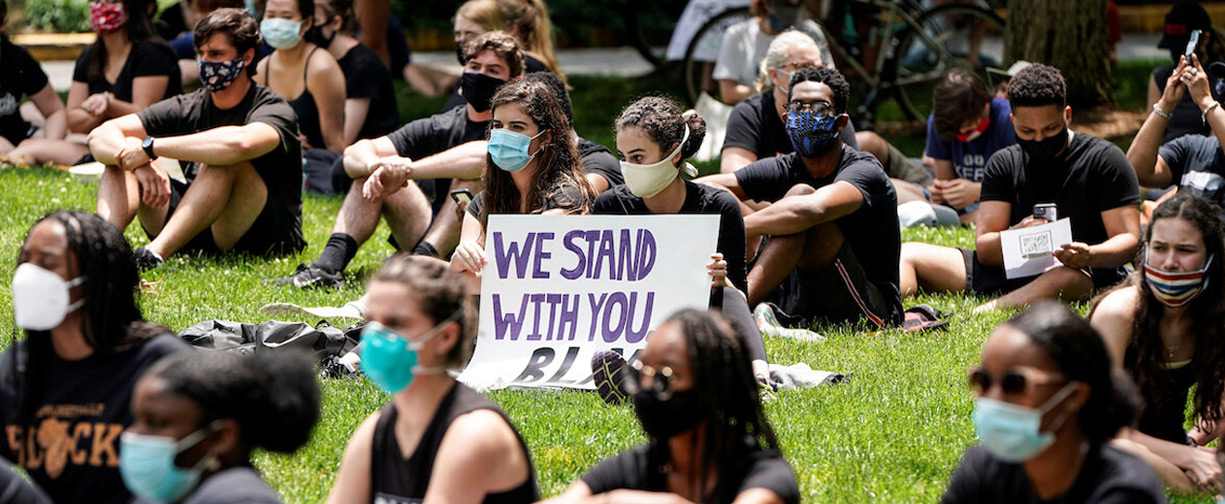
Most of my feed is full of content that looks polished but feels the same: perfect lighting, recycled quotes, and brands telling me to “believe in yourself” without showing what that actually means. It’s not bad content; it’s just forgettable. What actually makes me stop is storytelling that feels real, not staged, something I’d laugh at or relate to.
I’m drawn to creators and platforms that show growth and relatability in all its messy, relatable glory. People who don’t just share wins but also struggles, failures, and the behind-the-scenes reality. That kind of content feels like someone talking with me, not performing at me.
I think Gen Z gets misunderstood because we’re usually clocking things before everyone else wants to admit they’re real. When we warn people, it gets labeled as “doom scrolling” or “overreacting,” but then the thing actually happens. Like, we were talking about climate change and posting about wildfires, floods, and heat waves way before brands and governments started pretending to care. We were calling out fast fashion and Shein hauls on TikTok while everyone else was still saying, “It’s just cheap clothes.” We were talking about burnout, mental health, and toxic productivity before #selfcare became a corporate Instagram caption. Even during COVID, Gen Z creators were literally spreading safety info and debunking misinformation while older people were still arguing on Facebook.
It’s like we’re always yelling, “Hey, this is a problem,” and people are like, “You’re just being dramatic,” until suddenly it’s on the news and everyone’s shocked. Being misunderstood is kind of part of being Gen Z. We’re early, we’re loud, and we’re online enough to see the patterns forming before they blow up.
Another thing people don’t get is how Gen Z sees influencers. We don’t just like someone because they’re pretty or rich, we like people who feel real. Creators like Drew Talbert, Deb Smikle, CoryxKenshin, and even micro-creators on TikTok work because they feel authentic, chaotic, and human. We trust creators who show their messy routines, mental health days, and actual opinions, not just curated luxury. If anything, Gen Z made authenticity the new aesthetic, and brands are still trying to catch up.
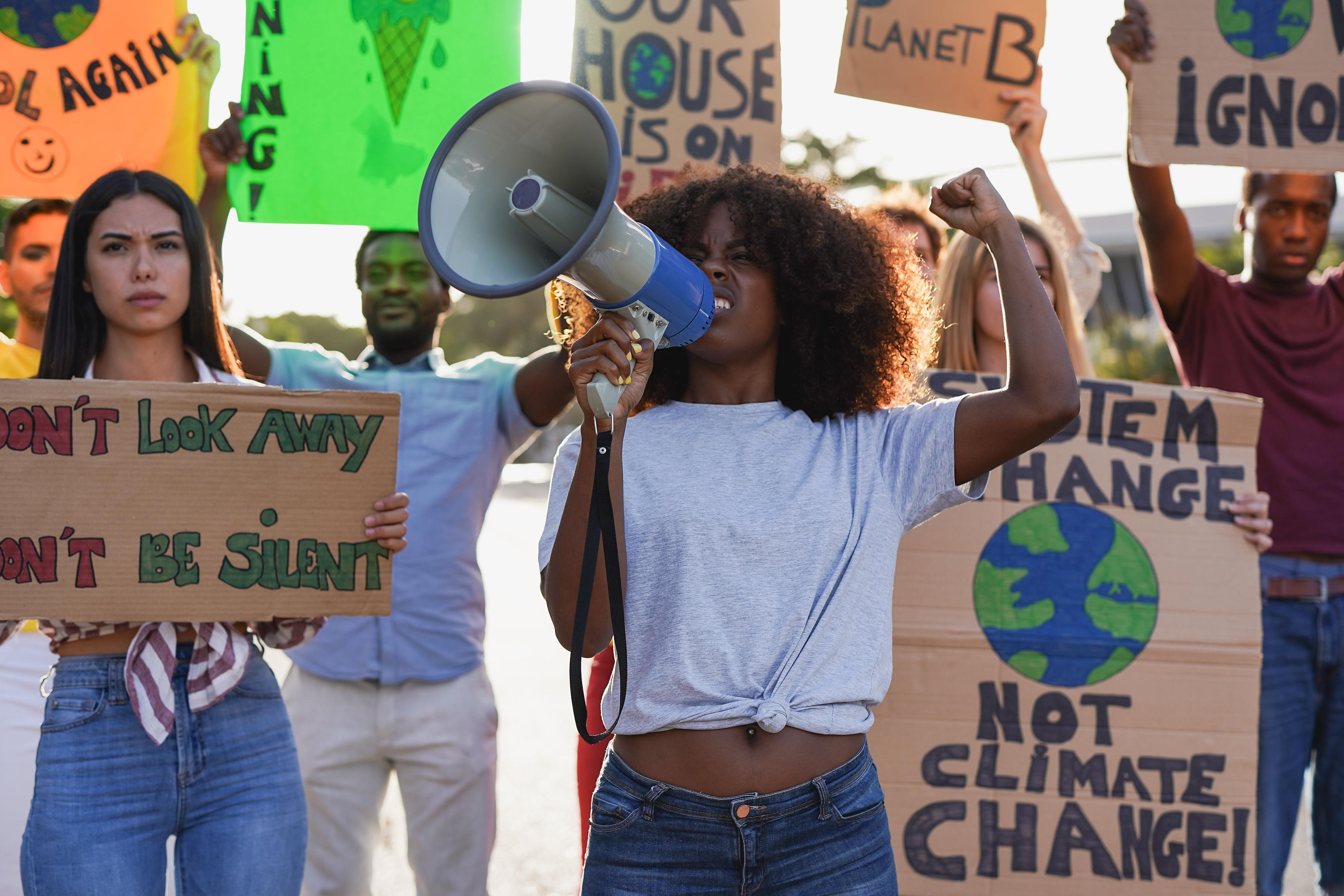
Right now, Gen Z cares about climate change, Palestine, reproductive rights, student debt, AI taking jobs, housing prices, and literally just surviving late-stage capitalism. We’re watching the economy be unaffordable, the planet heat up, and social justice issues trend and then disappear. We care because we’re the ones who have to live in the future, and everyone else is messing up.
If institutions and brands aren’t doing anything, Gen Z will. We boycott, we build platforms, we start small businesses, we fundraise, we educate on TikTok, we organize protests, we create mutual aid spreadsheets. We don’t wait for permission. We make noise, we make content, and we make communities that actually help people.
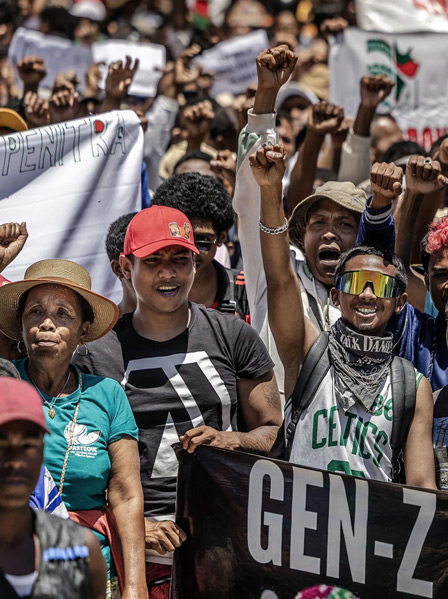
And honestly, we don’t worship capitalism the way older generations do. We’re not obsessed with working ourselves into burnout just to buy stuff we don’t need. We care about purpose, impact, flexibility, and mental health. We’re trying to warn y’all that hustle culture, fast fashion, and endless consumption aren’t sustainable, for people or the planet. But again, we get called dramatic until the system literally collapses.
That’s why spaces like Under Her Empire matter so much. Gen Z isn’t just consuming, we’re creating, building, and connecting. Community is how we survive and amplify each other. Creativity is how we tell our stories and rewrite narratives. That’s the future Gen Z is pushing for, whether people are ready or not.


